
Calgary’s neighborhoods are dusted with the first snowflakes, from Crescent Heights to Signal Hill, as city crews work quietly before dawn while families watch the winter scene through frosted windows. Preparing for winter in a way that is safe, comfortable, and responsible is essential for both homeowners and businesses.
According to Environment and Climate Change Canada, Calgary can receive over 130 centimeters of snow each season. Understanding the differences between a private driveway and a commercial parking lot is crucial. That’s why learning about Residential vs. Commercial Snow Removal in Calgary can help ensure proper winter preparedness, safeguard your family, and maintain confidence during Alberta’s harshest months.
- Community Warmth: For residential areas, snow removal often centers on connection—neighbors helping one another, guided by a parents’ guide to snowstorm readiness that promotes empathy and shared effort.
- Operational Efficiency: Commercial properties rely on structured contracts and 24-hour monitoring from municipal services, prioritizing accessibility and business continuity under formal emergency response plans.
- Safety First: Families benefit from a simple safety checklist—checking walkways, clearing vents, and storing an emergency kit—while commercial managers invest in anti-slip treatments and signage to protect both staff and visitors.
- Planning and Communication: Homeowners may coordinate with local plow services, while corporate sites collaborate with Calgary’s infrastructure teams, ensuring clear communication and compliance during school closures or peak traffic disruptions.
- Sustainable Practice: Many residential services now use eco-friendly de-icers, while larger commercial contractors measure salting efficiency by percentage to reduce environmental impact—merging care for community with modern winter preparedness.
Calgary’s Winter Forecast and Snowfall Trends
Calgary’s winter patterns are as dynamic as its skyline. According to Environment and Climate Change Canada, the city averages between 120 and 140 centimeters of snow annually, often arriving in sudden bursts followed by melting periods due to Chinook winds.
These dramatic temperature swings—from -25°C cold snaps to +10°C warm-ups—create icy conditions that complicate snow clearing for both residents and businesses.
The City of Calgary’s annual snow management report highlights how fluctuating temperatures increase both the frequency and cost of snow removal operations. Understanding these trends helps property owners plan for service levels and equipment needs.
Related: How Calgary’s Snow Bylaws Affect Property Owners
Residential Snow Removal — Keeping Calgary Homes Safe and Accessible
For homeowners, snow removal typically includes driveways, sidewalks, porches, and steps,essential areas where slip hazards are most common. Under Calgary’s Street Bylaw 208B, homeowners are responsible for clearing snow and ice from adjacent sidewalks within 24 hours of a snowfall.
Noncompliance can result in city crews doing the work and billing the homeowner.The goal of residential snow removal isn’t just compliance,It’s safety. Clear sidewalks protect children walking to school and prevent accidents that could lead to liability claims.
Tools and Techniques Used
Residential snow removal relies on precision rather than power. Most local contractors and homeowners use shovels, snow blowers, and compact plows designed for narrow spaces. Ice melt or eco-friendly de-icers are used on driveways and steps to prevent refreezing after Chinook thaws.
Timing is crucial: clearing snow before it compacts or freezes makes the job faster and safer. Many services offer early-morning or post-storm cleanups, aligning with homeowners’ work schedules.
Typical Service Agreements and Costs
In Calgary, residential snow removal services typically range from $30 to $60 per visit, depending on property size and snow depth. Seasonal contracts average between $300 and $700 per winter, offering peace of mind during unpredictable weather.
Pricing models vary,some charge per centimeter of accumulation, while others offer unlimited visits within a contract period. Always confirm what’s included,such as ice control or clearing of public sidewalks,to avoid surprises.
Read Next: Choosing the Right Snow Removal Service in Calgary
Residential vs. Commercial Snow Removal in Calgary: Ensuring Business Continuity and Liability Protection
For businesses, snow removal extends far beyond walkways. It includes parking lots, access roads, loading zones, and fire lanes, ensuring safe customer and employee access. Municipal and provincial safety codes also require clear emergency routes at all times.
Commercial property owners face higher stakes: failure to maintain clear surfaces can result in liability claims or occupational safety violations.
Heavy Equipment and Scheduling
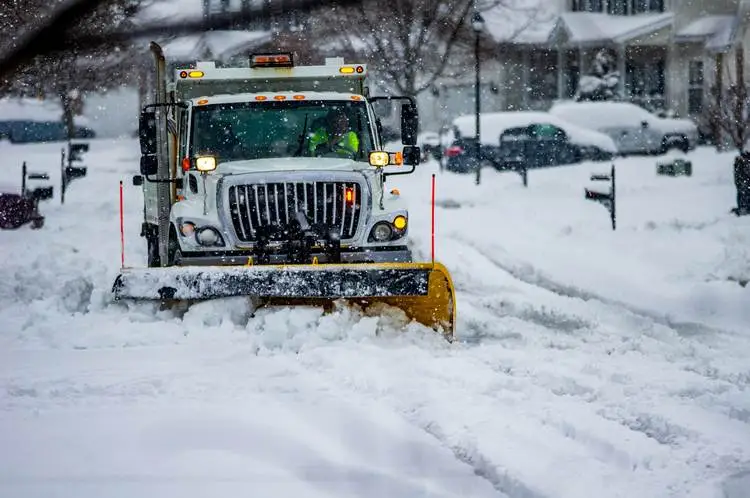
Commercial snow removal uses an arsenal of heavy-duty machinery,plow trucks, skid steers, salt spreaders, and front-end loaders,to handle large areas efficiently. Many companies use GPS-based service logs and 24/7 dispatch systems to track snowfall in real time, ensuring prompt deployment.
Service-Level Agreements (SLAs) often guarantee response within specific timeframes, sometimes even including pre-salting before a forecasted storm.
Cost and Liability Factors
Commercial contracts are usually seasonal or retainer-based, with tiered pricing based on lot size and service frequency. Costs can range from $2,000 to $10,000 per season, depending on property scale.
Insurance plays a vital role. Professional snow contractors carry liability coverage, protecting business owners from slip-and-fall claims. A transparent contract outlining responsibilities and record-keeping practices is essential for risk management.
Key Differences Between Residential and Commercial Snow Removal
| Aspect | Residential | Commercial |
| Property Size | Small to medium (homes) | Large areas (businesses, complexes) |
| Equipment | Shovels, blowers | Trucks, loaders, plows |
| Response Time | Within hours | Often pre-scheduled or automatic |
| Cost Structure | Per-visit/seasonal | Contract-based, tiered pricing |
| Liability Risk | Homeowner safety | Public liability & business continuity |
The takeaway: commercial services prioritize speed, scale, and risk reduction, while residential ones emphasize convenience and personal safety.
How Calgary’s Snow Removal Bylaws Affect You
The City of Calgary mandates that sidewalks adjacent to residential and commercial properties must be cleared within 24 hours after snowfall ends. Failure to comply can lead to warnings, fines up to $750, and potential cost recovery if the city clears the snow on your behalf.
Commercial properties, particularly those in high-traffic zones, may also be subject to accessibility regulations under Alberta’s Occupational Health and Safety Code.For updates or complaints, residents can contact 311 Calgary or use the city’s “Snow and Ice Control” online portal to report uncleared sidewalks.
Choosing the Right Snow Removal Service in Calgary
For Homeowners
- Is the company insured and licensed?
- What response time do they guarantee?
- Does the plan include ice control and walkway clearing?
Check reviews on the Better Business Bureau (BBB) and Google Maps, and request proof of liability insurance. Reliable contractors often provide photo confirmations after each service visit.
For Businesses
Commercial clients should prioritize providers with 24/7 monitoring, weather tracking, and backup equipment. Look for digital reporting systems that log each visit,useful for insurance documentation.
Transparent contracts with defined service levels and maps ensure accountability,crucial for large properties or multi-location operations.
Safety and Preparation Tips Before the Snow Hits
A proactive approach reduces risk and effort. Here’s a quick checklist:
- Stock up on salt, sand, or eco-friendly de-icers.
- Inspect shovels and snow blowers for maintenance issues.
- Keep emergency kits and flashlights in vehicles.
- Mark driveway edges with stakes for visibility during plowing.
Preventing ice buildup early—especially after a Chinook melt—saves hours of scraping later. Both residents and business owners should establish a plan before the first major snowfall.
Staying Updated ,Reliable Weather and City Alerts
Calgarians have access to robust alert systems. Environment Canada, The Weather Network, and Alberta Emergency Alert offer detailed forecasts and storm warnings. The City of Calgary’s Snow Route Alerts provide notifications when parking restrictions are in effect, allowing plows to clear main routes efficiently.
Apps like WeatherCAN and AccuWeather deliver real-time updates and radar tracking. Subscribing to text or email alerts ensures you’re never caught off guard by an overnight storm.
Enjoy Your Snow Day , If It’s Safe to Do So
Once the driveways are clear and the sidewalks salted, winter can be enjoyed. Calgarians often take advantage of fresh snow for sledding at Confederation Park or skating at Olympic Plaza.
Just remember: conditions can change quickly. Always check the latest forecast and avoid overexertion while shoveling or driving in icy weather.
ead Next: Efficient Snow Removal Strategies for Homeowners
Practical Tips for Homeowners and Residents
Clear snow in layers during heavy storms instead of waiting for it to accumulate. Use ergonomic shovels to prevent strain and operate snow blowers in a steady, overlapping pattern for complete coverage.
Safety and Injury Prevention
Avoid lifting heavy, wet snow—push instead. Take frequent breaks and wear insulated, non-slip footwear. According to the Canadian Red Cross, frostbite can occur in under 30 minutes during extreme cold.
Managing Driveways, Sidewalks, and Vehicles
Pre-treat surfaces with salt or sand before storms, and move vehicles off streets during scheduled city plowing times to avoid tickets and ensure complete clearance.
How Calgary Municipalities Make Snow-Clearing Decisions
Calgary’s Roads Maintenance Division prioritizes main routes first, then secondary and residential streets. Snow route parking bans may be declared after major storms to speed up plowing.
Coordination between city departments, meteorologists, and private contractors ensures plows are deployed efficiently. During severe events, the city’s Snow and Ice Control Plan dictates when to escalate operations and shift resources to problem zones.
How to Stay Updated on Weather Alerts and Snow Emergencies
Stay informed using official channels:
- Environment Canada alerts for storm warnings.
- City of Calgary’s Snow and Ice page for snow route updates.
- The Weather Network app for radar-based precipitation tracking.
- Alberta Emergency Alerts for severe weather notifications.
These tools provide near-real-time insights into storm progress and city response, helping you plan commutes or reschedule outdoor work safely.